

WASHER DISINFECTOR REPAIR
If you have problems with your Washer Disinfector, we can help. Our approved engineers will repair your washer disinfector to European (EN15883) standards in a fast, cost effective manner.
4-STEP washer disinfector REPAIR PROCESS
step 1
Get in Touch
Email us or Call us on 01253 736 355 and let us know of the problem, if you can please note down any error/alarm codes.
step 2
Phone Assistance
Once we have your details we will arrange for one of our qualified engineers you get in touch with you. Often, we can solve the problem over the phone – there is no charge for over the phone repairs.
step 3
Engineer Visit
If we can’t help over the phone we will send one of our experienced engineers to your practice. This is where the majority of repairs take place.
step 4
Off-Site Repair
Although we avoid off-site washer disinfector repair it’s sometimes necessary. On the rare occasion we take your washer disinfector away to be repaired we will be sure to have it back and installed as quickly as possible.

Washer Disinfector Repair: Ensuring Sterile Equipment in Healthcare Settings
Washer disinfectors are critical components in the healthcare industry, playing a pivotal role in preventing the spread of infectious diseases by effectively cleaning and disinfecting surgical instruments and other medical devices. The importance of their proper function cannot be overstated, as they are key to ensuring that tools used in medical procedures are free from harmful microorganisms and ready for safe use. While these devices are designed for robustness and reliability, upkeep is essential to preserve their disinfection capabilities and extend their operational lifespan.
Regular servicing and maintenance of washer disinfectors are essential not only for compliance with health and safety regulations but also for maintaining the efficacy of the disinfection process. When performance issues do arise, it’s imperative that repairs are conducted promptly and to high standards. This often involves running diagnostic test cycles, monitoring specific performance indicators such as temperature and duration of disinfection phases, and checking for leaks. Any necessary repairs should be aligned with relevant European standards and regulations to ensure the device continues to operate safely and efficiently. Moreover, using genuine and compatible parts and accessories, along with the appropriate detergents, can significantly enhance the functionality of washer disinfectors.
Key Takeaways
- Washer disinfectors are vital for infection control in healthcare settings.
- Servicing and repair must adhere to strict standards to ensure safety and efficiency.
- Proper maintenance and use of authentic parts are crucial for optimal functionality.
Understanding Washer Disinfectors
Washer disinfectors are crucial for maintaining hygiene in healthcare settings by automating the cleaning and disinfection processes. They are significant investments in infection control, effective in terms of both performance and compliance with standards.
Fundamentals of Operation
Washer disinfectors function by executing a series of programmed stages that include pre-washing, washing with detergents, rinsing, and thermal disinfection, followed by drying. Specifically, the Deko 2000 and Deko D25 systems conduct these stages effectively, ensuring high levels of cleanliness and sanitation. The thermal disinfection phase includes exposing the instruments or items to high temperatures, which is reliable for killing a majority of microorganisms.
Key Components and Accessories
Each washer disinfector is equipped with several essential components:
- Washing Chamber: The primary area where the cleaning and disinfection process takes place.
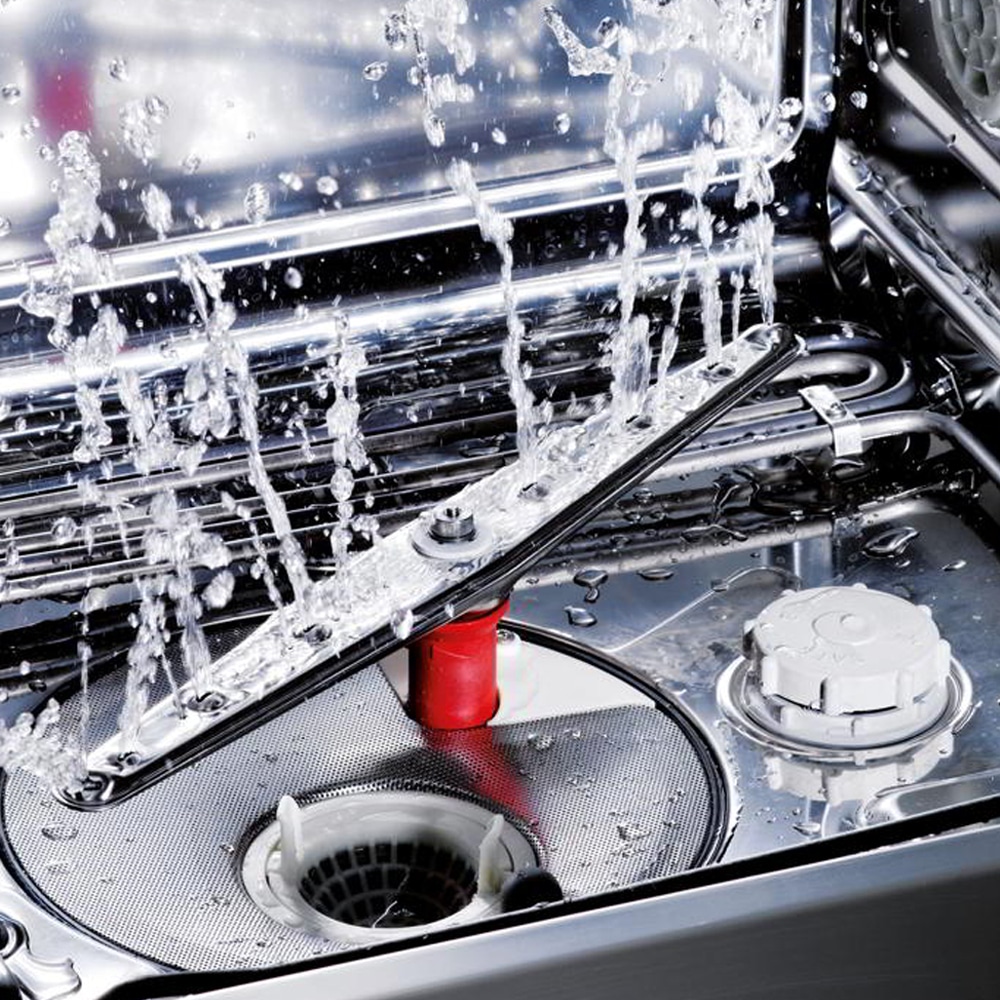
- Spray Arms: Disperse detergents and rinse water.
- Drying System: Typically, a drying cabinet, like the Deko CD-2200, is used for drying clean items post-disinfection.
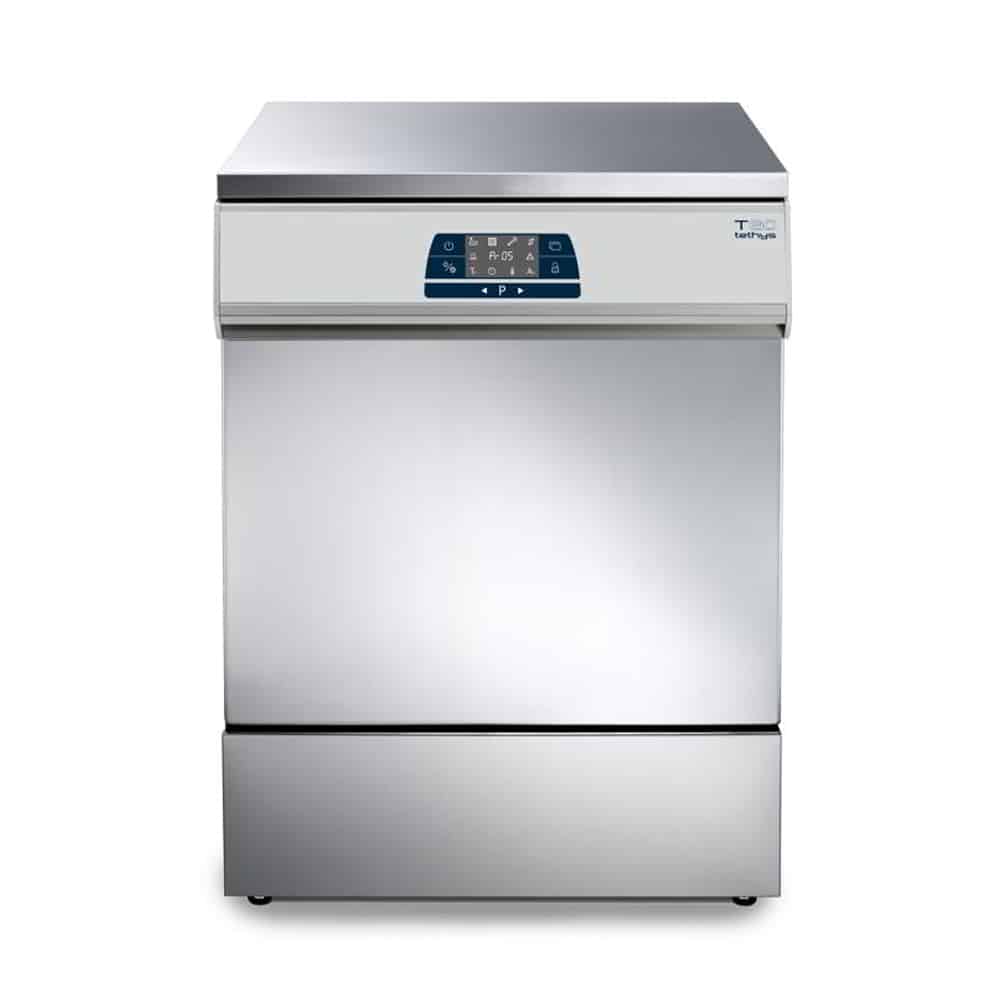
- Control Panel: Allows users to customise and operate cycles.
Accessories, such as racks and holders, are designed for specific items. For example, bedpan washer accessories ensure bedpans are held securely and subjected to thorough disinfection cycles.
Servicing and Maintenance
Washer disinfectors play a crucial role in decontamination processes, necessitating rigorous servicing and maintenance to ensure they meet the required performance and safety standards.
Regular Servicing and Inspection
Regular servicing and inspection are essential to maintain the operational integrity of washer disinfectors. Service engineers conduct thorough checks to prevent potential issues, such as steam or water leaks, which could compromise the disinfection process. Typically, a routine maintenance programme includes:
- Visual Inspections: To assess the overall condition.
- Safety Checks: Ensuring all safety mechanisms are functional.
- Component Inspections: Examining parts for wear or damage.
- Replacement of Worn Parts: Using authentic, manufacturer-approved components.
It is recommended that washer disinfectors undergo regular servicing at least annually, as part and parcel of a comprehensive service contract.
Performance Testing and Validation
Performance testing and validation are critical to verify that washer disinfectors are operating in accordance with EN15883 standards. Validation ensures that equipment consistently achieves the specified microbiological and cleaning efficacy. This process typically involves:
- Thermometric Testing: Monitoring and recording temperature during the disinfection phase.
- Cycle Verification: A test cycle in disinfection mode to confirm proper function.
Professionals use calibrated equipment to carry out the testing, often recording results meticulously as evidence of compliance. Validation is not just a one-off procedure but part of an ongoing commitment to performance assurance.
Aligning with Standards and Regulations
Regulatory compliance and adherence to standards are fundamental in ensuring the efficacy and safety of washer disinfectors. Washer disinfectors are pivotal in preventing infection, making it crucial to understand and implement prescribed guidelines.
Compliance with EN15883 and HTM 01-05
Washer disinfectors must be validated and maintained in line with the European Standard EN15883 and the Health Technical Memorandum 01-05 (HTM 01-05) to meet stringent infection control protocols. Specifically, EN15883 is reflective of the imperative for rigorous performance standards, detailing how equipment should be tested and maintained to ensure disinfection processes are effective. Validation of processes under EN15883 provides evidence of compliance and is essential for patient safety.
The HTM 01-05 standard provides an expansive framework for decontamination in healthcare settings within the UK. It includes:
- Essential Quality Requirements
- Best Practice recommendations
These elements are designed to keep the management and operation of washer disinfectors within regulatory bounds, particularly under the Health and Social Care Act 2008.
Understanding Healthcare Guidelines
Healthcare guidelines not solely concentrate on the mechanics of washer disinfectors but embrace the entire decontamination process. This starts from the moment instruments are used, through to cleaning, disinfection, and eventual reuse. The guidelines aim for a seamless journey for each instrument, maintaining high levels of hygiene and patient safety throughout.
Manufacturers and healthcare providers must ensure their washer disinfectors are approved by manufacturer-trained engineers, who are conversant with both national and international guidelines, including the four-nation aligned Health Technical Memoranda. Regular reviews and updates of these guidelines necessitate continuous learning and adaptation by the engineering teams responsible for repair and maintenance.
The Health and Social Care Act 2008 and associated regulations stipulate specific requirements, such as Regulation 12(2)(h) and 15, which govern the cleanliness and infection control measures within healthcare premises. Washer disinfector repair and maintenance services should familiarise themselves with these regulations to ensure that their practices are fully compliant.
Troubleshooting and Repair
Maintaining the efficiency and reliability of washer disinfectors involves periodic troubleshooting and repair. Handling common issues promptly ensures continued conformity to standards, but some situations require the expertise of a qualified engineer.
Common Issues and Solutions
Temperature and Cycle Errors:
- Issue: Incomplete disinfection cycle or incorrect temperature readings.
- Solution: Run a test cycle to monitor temperature and time. Record the maximum temperature reached and the cycle completion time. Address discrepancies according to the manufacturer’s guidelines.
Leaks:
- Issue: Steam or water leaks during the cycle.
- Solution: Conduct a thorough inspection while the machine operates. Repair or replace any defective seals or components causing leaks.
Component Function:
- Issue: Spray arms or nozzles not rotating freely.
- Solution: Check for obstructions and ensure nozzles and arms move without restriction. Remove and clean strainers and filters regularly.
When to Seek Expert Assistance
For persistent or complex problems, it is advisable to contact customer support or enlist the services of a qualified engineer. Repairs should comply with European standards (EN15883), and using genuine replacement parts is essential for maintaining the integrity of the washer disinfector. If on-site repair is not possible, seek a service provider offering approved off-site repair. They should also assist in fulfilling all necessary paperwork and documentation post-service.
Enhancement Through Accessories and Detergents
Proper maintenance and enhanced performance of a washer disinfector are often achieved through the application of suitable detergents and the use of specific accessories. These two factors play a vital role in the efficiency and operation of the cleaning cycle.
Optimising with the Right Detergents
Selecting the correct detergents is crucial for the effective operation of washer disinfectors. They should be highly concentrated and designed to work at optimal levels with the equipment. Detergents must be capable of handling a wide variety of residues while being compatible with the materials of the instruments being cleaned. Efficiency is increased when detergents dissolve and rinse away readily without leaving residues that could impede the sterilisation process.
- Compatibility: Ensure that the detergent is suitable for use with washer disinfactor equipment.
- Concentration: Use concentrated detergents for cost-effectiveness and efficiency—less product is required per wash, reducing the overall cost.
- Rinse Performance: Choose a detergent that provides thorough rinsability to avoid residue build-up.
Utilising Supportive Accessories
Accessories are integral to a washer disinfactor’s functionality. They support the machine during operation, and their quality can significantly impact the cleaning and disinfection outcome. Regular servicing and potential accessory updates are essential for maintaining a high standard of hygiene and ensuring that every cycle meets the required cleaning standards.
- Instrument Trays: Utilise trays that are designed for secure placement and proper exposure during cleaning cycles.
- Temperature Probes: Apply probes correctly to monitor and ensure the disinfection phase’s precise temperature is achieved.
These specific detergents and accessories, when applied accurately, support the washer disinfector’s optimal performance, contributing to a consistent and reliable cleaning process.
Frequently Asked Questions
This section provides concise answers to common inquiries regarding the upkeep and troubleshooting of washer disinfectors.
What are the regular maintenance requirements for a washer disinfector?
Regular maintenance for a washer disinfector typically includes conducting test cycles in disinfection mode to monitor temperature and time. Inspections for steam or water leaks during the cycle are necessary, with repairs carried out as needed.
How does one conduct a performance validation test on a washer disinfector?
Performance validation for a washer disinfector involves running specific test cycles adhering to regulatory standards, which are used to verify the machine’s ability to clean and disinfect effectively. The process includes the assessment of temperature, time, and the use of appropriate indicators or test soils.
Can you describe the primary functions of a washer disinfactor in medical settings?
In medical settings, a washer disinfector primarily cleans and disinfects surgical instruments and equipment. It ensures that all debris is removed, and the items are subjected to high temperatures to eliminate pathogens, preparing them for safe reuse in medical procedures.
What steps should be taken to troubleshoot a washer disinfactor that is malfunctioning?
To troubleshoot a malfunctioning washer disinfector, check for common issues like clogged filters and nozzles, ensure the proper functioning of spray arms, verify detergent and rinse aid dosages, and inspect for door seal integrity. Technical support may resolve some problems over the phone or suggest repairs if necessary.
What are the best practices for ensuring effective sterilisation with a washer disinfector?
For effective sterilisation, it is critical to follow the manufacturer’s guidelines for operating the washer disinfector, use the correct type and dosage of cleaning agents, and ensure that the load is arranged correctly to enable maximum exposure to cleaning and disinfection processes.
How often should a washer disinfactor be serviced to ensure it remains in optimal condition?
A washer disinfector should be serviced regularly according to the manufacturer’s recommendations or at least annually to maintain optimal performance. This service includes inspection, cleaning, and replacement of parts as necessary to adhere to stringent hygiene standards.