

AUTOCLAVE VALIDATION
Whether Quarterly or Annually, DDL will Validate your autoclave to HTM 01-05 standards at a competitive price. All consumables for operator validation are available.
Under healthcare standards and guidelines such as BS-ENISO:13060:2014, BS-ENISO:15883:1 and HTM 01-05, revalidation should be completed annually or in accordance with the manufacturer’s recommendations.
The duration of a validation depends on the model of the autoclave. We would always recommend trying to book the maintenance on a quieter day for the practice to reduce any disruption.
AUTOCLAVE VALIDATION PRICING
Vacuum Autoclave Validation
(Includes service & PVI)
£495.00 plus VAT
- Maintenance and Safety Checks
- 1st Air Leakage Test
- 2nd Air Leakage Test [Equipment Attached]
- Thermometric Tests for a Small Load
- Automatic Control Test [ACT]
- Verification of Calibration of Steriliser Instruments
- Steam Generator Overheat Cut-out Test
- Thermometric Tests for a Full Load
- Thermometric Tests for a Solid Load & Dryness Test
- Air Detector System Function Test
- 3rd Air Leakage Test
- Steam Penetration Test
Non-Vacuum Autoclave Validation
(Includes service & PVI)
£450.00 plus VAT
- Maintenance and Safety Checks
- Steam Generator Overheat Cut-out Test
- Thermometric Tests for a Small Load
- Automatic Control Test [ACT]
- Verification of Calibration of Steriliser Instruments
- Thermometric Tests for a Full Load
- TST Steriliser Test
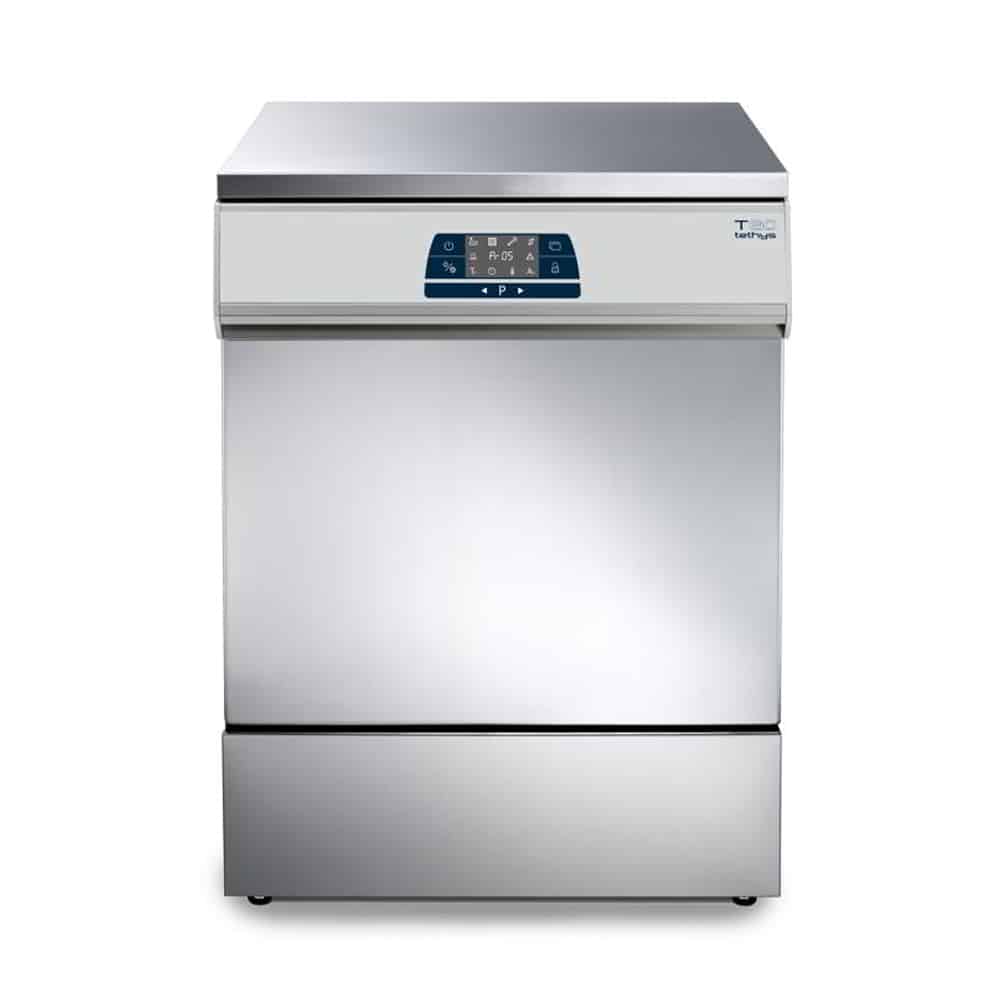


Autoclave Validation Services
Autoclave validation services provide a critical function in ensuring the sterilisation process meets requisite healthcare standards. The validation of autoclaves is mandated under various guidelines, including BS-EN ISO:13060:2014, BS-EN ISO:15883:1, and HTM 01-05. These standards require that autoclaves undergo periodic validations—typically on an annual basis or as recommended by the manufacturer—to ensure their continued compliance and proper functioning. The validating process involves a series of tests designed to verify not only the performance of the autoclave but also to ensure the reliability of sterilisation, which is paramount for patient safety in healthcare settings.
The complexity of the validation process will depend on the specific type of autoclave, with vacuum and non-vacuum models having different requirements. Safety checks, air leakage tests, thermometric assessments for various loads, and verification of calibration for steriliser instruments are all essential components of a thorough validation service. All of these processes aim to establish that autoclaves function within the prescribed parameters, ensuring effective sterilisation and maintaining compliance with international standards.
Key Takeaways
- Autoclave validation is essential to comply with healthcare sterilisation standards.
- Validation includes a series of tests to ensure an autoclave’s proper functioning.
- The process requires annual or manufacturer-recommended validation to maintain compliance.
Overview of Autoclave Validation
The process of autoclave validation is a critical component in ensuring that sterilisation equipment operates according to predefined criteria to achieve effective and reproducible sterilisation. This section will elucidate the concept and importance of autoclave validation as well as the role of Dental Decontamination Ltd professionals in executing meticulous validation services.
Understanding Autoclave Validation
Autoclave validation is an essential procedure that complies with stringent Good Manufacturing Practices (GMP) and regulatory requirements, such as those set forth by the FDA. The process involves a series of tests to confirm that the autoclave performs as expected, and that it consistently delivers a specified level of sterilisation efficacy.
The methodology typically includes:
- Validation Planning: Defining criteria and specifications unique to the autoclave and its intended use.
- Installation Qualification (IQ): Confirming correct installation and set-up.
- Operational Qualification (OQ): Ensuring operational procedures meet predefined parameters.
- Performance Qualification (PQ): Verifying actual performance with various load configurations.
A successful validation will establish parameters such as lethality results, time to temperature, and time over temperature statistics.
Roles of Engineers in Validation Services
Engineers responsible for validation services must have a profound understanding of various standards such as EN285 and HTM 01-01. They are tasked with:
- Conducting rigorous testing: Engineers systematically carry out IQ, OQ, and PQ to ensure autoclaves function as intended.
- Documentation: They meticulously document all procedures and outcomes, forming an evidence trail for compliance.
- Specialised Knowledge: Engineers often possess specialised knowledge of different autoclave models from leading manufacturers to provide tailored services.
With a footing in EUTD compliance and a keen adherence to global standards, engineers play a pivotal role in the safeguarding of autoclave efficiency and reliability.
Compliance and Standards
In the realm of autoclave validation services, compliance with established regulations and adherence to specific standards are paramount. These services ensure that sterilisation processes meet the necessary safety and efficacy requirements through rigorous calibration of temperature and pressure parameters.
Adherence to EU and UK Regulations
Autoclave validation services in the UK and the EU are governed by stringent regulations to ensure that all sterilisation equipment operates safely and effectively. For instance, EN285 is a critical European standard that specifies requirements for large steam sterilisers used for the sterilisation of healthcare products. It covers aspects such as:
- Performance qualification (PQ)
- Operational qualification (OQ)
- Installation qualification (IQ)
These services must also comply with UK standards such as:
- Health Technical Memoranda (HTM) 01-01: provides guidance on the management and decontamination of surgical instruments within acute services.
- HTM 01-05: offers best practice advice for primary care and dental providers.
International Standards and HTM 2010 Guidelines
Internationally, autoclave validation is subject to an array of standards that ensure these devices are reliable and perform appropriately. The guidelines often followed include:
- ISO-EN-17665-1: an international standard focusing on the validation and control of moist heat sterilisation processes.
- HTM 2010 (now archived): was once a pivotal standard in the UK, but parts of it have been superseded by the aforementioned HTM 01-01 and EN285. The HTM 2010 provided in-depth protocols on temperature and pressure performance criteria for effective sterilisation.
Validation services examine autoclaves to certify that they are compliant with all applicable regulations, providing assurance that these critical sterilisation instruments operate within the required parameters and are safe for their intended uses.
Validation Procedures and Documentation
Autoclave validation services encompass a series of methodical steps designed to ensure that an autoclave operates correctly and achieves reproducible sterilisation outcomes. To provide a high degree of assurance, this involves Installation Qualification (IQ), Operational Qualification (OQ), and Performance Qualification (PQ) processes.
Installation Qualification (IQ) Process
Installation Qualification is the initial phase in autoclave validation. IQ establishes that the autoclave is received as designed and specified. It verifies that the autoclave’s installation adheres to the manufacturer’s recommendations, relevant standards, and site requirements. Documentation during this phase includes:
- Verification of autoclave delivery and integrity
- Examination of accompanying documentation
- Inspection of installation site conditions
- Assessment of utilities connections and configurations
- Confirmation of calibration for critical sensors and control systems
Operational Qualification (OQ) Methodology
Following a successful IQ, the Operational Qualification phase scrutinises the autoclave’s performance under various conditions. This phase incorporates thermal validation to ensure uniform temperature distribution throughout the autoclave chamber. Key aspects involve:
- Execution of test cycles to confirm the control system’s accuracy
- Testing of alarms, sensors, and operational parameters under extreme conditions
- Collection and review of data reflecting cycle repeatability and reproducibility
- Comprehensive statistical analysis to support validation outcomes
Performance Qualification (PQ) Criteria
Performance Qualification validates the autoclave’s ability to consistently achieve the desired level of sterilisation. Within this phase, actual biological tests are performed:
- Execution of sterilisation cycles with biological indicators
- Analysis of sterilisation effectiveness via established criteria
- Reassessment of the sterilisation process across a series of consecutive cycles
- Documentation of sustained compliance over time with stringent quality standards
Equipment and Technologies
In the realm of autoclave validation, precision and accuracy are paramount. Equipment utilised for validation services, such as thermocouples and advanced data loggers like the Ellab TrackSense Pro, are integral to performing rigorous thermal validations for sterilisers, ovens, freezers, and chambers.
Thermocouples and Temperature Mapping
Thermocouples are essential in temperature mapping, providing accurate temperature measurements crucial for thermal validation. Typically, they are strategically placed throughout the steriliser chamber to ensure even temperature distribution is achieved and maintained throughout the sterilisation cycle. These temperature readings are vital for verifying that specific thermal thresholds are met, which is requisite for regulatory compliance.
Types of thermocouples used:
- Type T (copper-constantan): Preferred for its stability at lower temperatures.
- Type K (chromel-alumel): Known for its wide temperature range.
Applications:
- Ovens and Freezers: Ensuring uniform temperature for product integrity.
- Sterilisers and Chambers: Confirming required sterility assurance levels.
Ellab TrackSense Pro and Sterilizer Technologies
The Ellab TrackSense Pro system is one of the market leaders in wireless data logging solutions, aiding in the sophisticated capture and analysis of environmental data within autoclaves. Its use is pivotal when continuous monitoring and validation of various parameters such as temperature are required.
Key Features:
- Real-time data capture
- High accuracy and broad temperature range suitability
- Wireless technology for ease of placement without disrupting chamber conditions
Steriliser Technologies:
- The system seamlessly integrates with a variety of sterilizer technologies, ensuring it remains a versatile tool within the healthcare, pharmaceutical and biotechnology sectors.
- Compatibility with leading manufacturers increases the reliability and trust in the validation process, safeguarding against inefficacies and ensuring compliance with industry standards.
Service Providers and Industry Sectors
The sector of autoclave validation encompasses specialized service providers catering to various industries, particularly focusing on maintaining compliance with strict regulatory standards.
Selecting a Validation Service Provider
When selecting an autoclave validation service, one should look for providers that offer honest and transparent practices, such as CMI Healthcare Services. The provider should demonstrate expertise in autoclave service for a range of brands, including Getinge, Belimed, Steris, and Astell, ensuring the highest possible standard of service. Key considerations include:
- Compliance with UK, EU, and International Standards
- Experience in the pharmaceutical, healthcare sectors, and biotechnology industries
- Capability to service a variety of autoclaves
Autoclave Validation in Healthcare and Biotech
Autoclave validation within the healthcare and biotechnology sectors is paramount for ensuring the sterility of instruments and the safety of patients in hospitals and clinics. Service providers like Dental Decontamination Ltd undertake validation services abiding by standards like HTM01-01 and EN285. This specialisation within the sterile services sector is critical for delivering reliable sterilization services.
Frequently Asked Questions
In the realm of autoclave validation, several key questions frequently arise regarding procedures, frequency, costs, provider qualifications, thermal compliance, and equipment selection.
What are the standard procedures involved in autoclave validation?
The standard procedures for autoclave validation typically involve a series of tests to assess physical, biological, and chemical indicators. They confirm efficiency and consistency of the sterilisation process matching set criteria such as UK, EU, and International Standards, including protocols like HTM01-01, EN285, and HTM 01-05.
How often should autoclave validation be performed to ensure compliance?
Autoclave validation should be conducted annually as a minimum to adhere to regulatory compliance. However, the exact frequency may vary depending on the guidelines of specific industries, usage intensity, and any changes in the types of loads processed.
What is the typical cost range for professional autoclave validation services?
The cost for autoclave validation services can vary greatly depending on the validation scope, type of autoclave, and the specific requirements of the facility. The costs must be obtained directly from service providers who typically offer tailored quotations on enquiry.
What qualifications should a provider of autoclave validation services possess?
Providers should hold relevant qualifications and have proven expertise in the field of sterilisation technology. They must be proficient with current standards and protocols and should ideally have a track record of servicing a wide range of dental, pharmaceutical, biotechnology, and healthcare equipment.
How does thermal compliance affect the autoclave validation process?
Thermal compliance is critical in the validation process as it ensures that the autoclave reaches and maintains the required temperatures for effective sterilisation. Deviations from the specified thermal range can result in non-compliance and ineffective sterilisation, highlighting the necessity of rigorous thermal validation testing.
What factors should be considered when selecting an autoclave model for a laboratory?
Selection of an autoclave model should consider load types, volume capacity, space availability, and the specific application requirements of the laboratory. The decision should align with the intended operational workflow and comply with relevant sterilisation standards.