£9.99
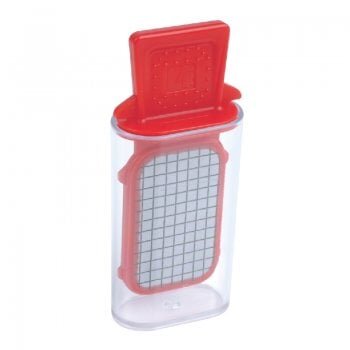
How to use Dental Dipslides / HPC Samplers
Step 1 – Collect a sample in the 18ml sample chamber (fill up to the marked line).
Step 2 – Drop paddle into sample solution and close the paddle within the chamber.
Step 3 – Lay the sampler down on its side with the filter side facing down for 30 seconds. The pad on the paddle will absorb 1ml of liquid sample.
Step 4 -Empty the tester, discarding the sample liquid. Shake the paddle and chamber vigorously to remove excess sample droplets.
Step 5 -Place the paddle back within the chamber ensuring a tight seal. Lay sampler device down on its side again (with filter side facing down). Leave paddle to ‘incubate’ at room temperature for 7 days. Alternatively, for faster results incubate for 72 hours at 25 °C or 48 hours at 35 °C.
Step 6 -Count the dots (colonies) and compare with the chart provided.
Most practices use dipslides / HPC samplers to test their DUWLS (dental unit waterlines) quarterly or more frequently but we always suggest contacting the appropriate local regulatory body for advise on how often to perform tests. A regular testing program will keep your practice on top of any potential microbiological contamination problems.
Using HPC samplers is a good way of monitoring water quality and can help you quickly assess if you have any microbiological contamination. You can then action an appropriate response.
If TVC testing is undertaken, the Department of Health recommends that ‘the TVC should be expected to lie in the range of 100 to 200 colony forming units per millilitre (cfu/ml)’. Potable / drinking water standards in the UK recommend 100 cfu/ml as an upper limit so considering both of these guidelines, having DUWL colony counts below 100 cfu/ml is preferable. Due to the extra sensitivity of these HPC samplers, each colony equates to 1 cfu/ml so if you count 100 colonies, this equals 100 cfu/ml. This makes it easy to interpret the results of the test and assess if your sample is within the microbiological concentration limit guidelines.
In an independent laboratory, a study of the growth of microorganism strains on total count media, comparing HPC Tester and a reference laboratory method found no microbiologically significant difference between the two testing methods.
Please note that our dipslides / HPC samplers are not a legionella test. We recommend that you always follow industry guidelines.
You can find more information by reading the HTM 01-05:Decontamination in primary care dental practices documentation by the Department of Health: https://www.england.nhs.uk/wp-content/uploads/2021/05/HTM_01-05_2013.pdf
Please note that dipslides / HPC samplers are not a replacement for testing by UKAS accredited labs.
For information regarding US guidelines, the American Dental Association offer the following advice / recommendations: https://www.ada.org/resources/research/science-and-research-institute/oral-health-topics/dental-unit-waterlines as well as information on a 2022 alert by the CDC regarding contaminated waterlines: https://www.ada.org/publications/ada-news/2022/november/infections-highlight-importance-of-maintaining-monitoring-safe-dental-waterlines
01253 736355
Opening hours
Mon – Thurs: 09:00 – 16:30
Fri: 09:00 – 16:00
Feel free to call outside of these hours and leave a message.
Alternatively, fill in a short form