

AUTOCLAVE SERVICE
Autoclave Servicing at Dental Decontamination, we service most makes and models of autoclaves and washer disinfectors for the tattoo, podiatry, veterinary and dental industries.
DDL has an expert team of engineers whom cover all of the United Kingdom so no matter where you are we can service your machine.
When booking in a service, please advise us of any faults you have or had since it was last serviced, this will help us determine the best course of action for your machine. Finally get in contact with a member of our staff and we will book you in at a convenient time to suit your practice. Whatever your query, whether large or small, we’re here to help!

Autoclave Service & PVI is £250 + VAT

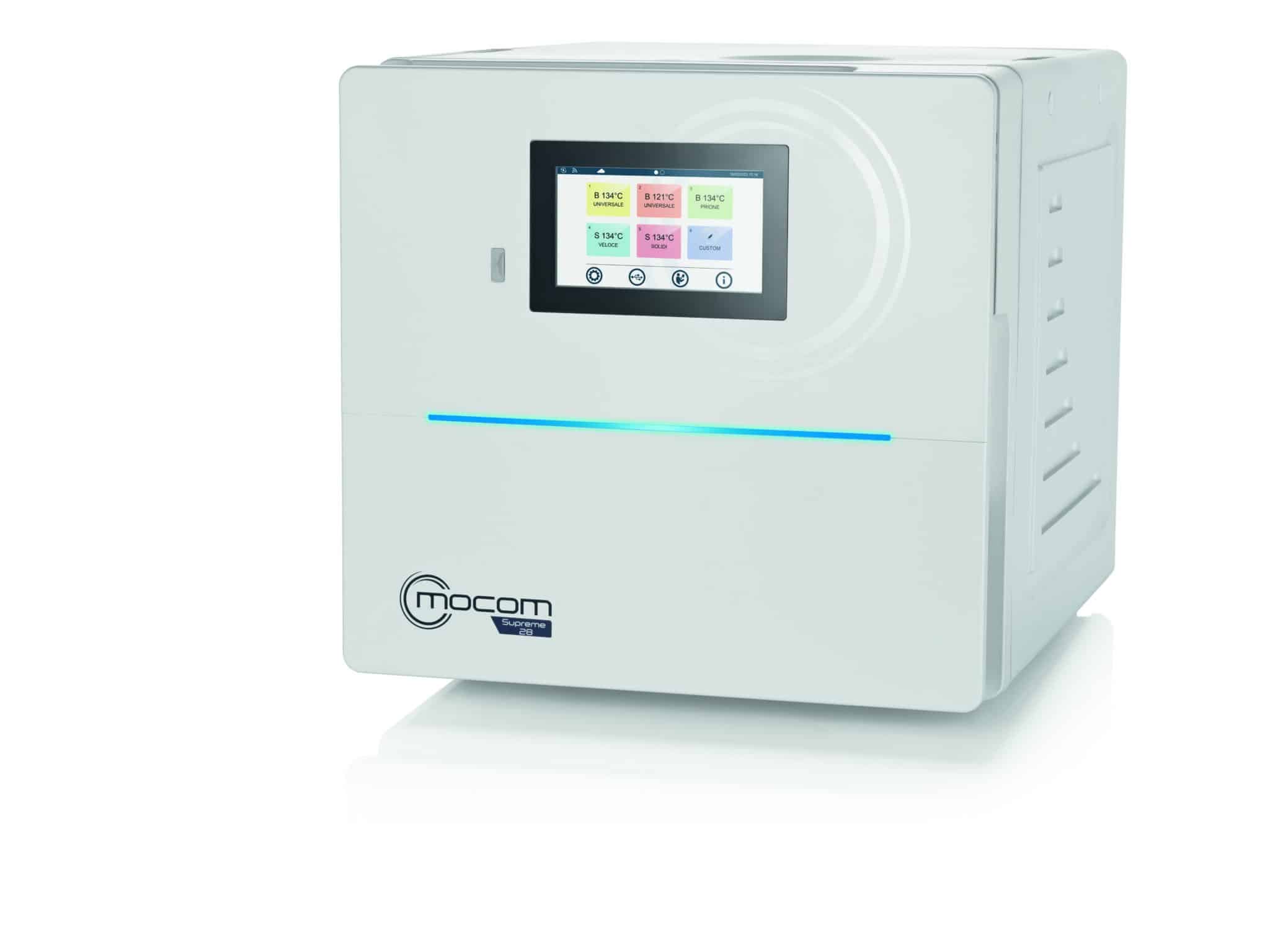


Autoclave Service from Dental Decontamination Ltd
Autoclave maintenance and service are critical components in a variety of industries where sterilisation is paramount, including dental practices, tattoo parlours, podiatry offices, and veterinary clinics. Dental Decontamination Ltd offers comprehensive services for most autoclave models and washer disinfectors, ensuring these essential pieces of equipment are functioning optimally. Timely servicing of these devices is essential for maintaining effective infection control protocols and adhering to industry regulations.
Clients are encouraged to communicate any faults or issues encountered since their equipment’s last service, enabling the technical team to tailor an approach specific to their needs. Arranging for a service is made convenient with the option to schedule an appointment that corresponds with the client’s availability, reflecting the company’s commitment to providing excellent customer service. Dental Decontamination Ltd’s trained engineers and support staff work diligently to ensure each service is conducted thoroughly, adhering to the highest standards of quality and safety.
Key Takeaways
- Professional servicing of autoclaves and washer disinfectors is essential for effective decontamination in various industries.
- Customised servicing approaches are based on individual equipment histories and client schedules.
- Highly trained technical teams ensure compliance with regulatory standards and support clients in implementing superior infection control measures.
Understanding Autoclaves in Dental Decontamination
Autoclaves are a pivotal component in dental practices for ensuring the sterility of instruments. They use high-pressure steam to eliminate pathogens, crucial for patient and staff safety.
Types of Autoclaves
Vacuum Autoclaves: These devices are designed to sterilise an array of instruments, including those with lumens or hollow spaces. Their vacuum function efficiently removes air before introducing steam, allowing thorough penetration and decontamination.
Non-Vacuum Autoclaves: Tailored for solid instruments capable of withstanding heat and pressure, non-vacuum autoclaves use direct steam contact to sterilise, suitable for less complex items.
Importance of Decontamination
Decontamination equipment, specifically autoclaves in dental settings, are not just a regulatory requirement but also form a defence against cross-contamination. Regular servicing ensures reliability, adherence to safety standards, and extends the lifecycle of the equipment.
Regulatory Standards for Autoclave Servicing
When it comes to autoclave servicing within the UK, Dental Decontamination Ltd ensures compliance with stringent regulations, most notably the HTM01-05 standards and the Provision and Use of Work Equipment Regulations (PUWER) 1992. These frameworks are designed to guarantee that autoclaves are maintained at an optimum level of performance and safety.
HTM01-05 Standards
Health Technical Memorandum 01-05 (HTM01-05) represents specific guidelines for decontamination in dental practices. Servicing of autoclaves in accordance with these standards ensures:
- Effective sterilisation processes to prevent cross-contamination.
- Regular validation and testing of equipment.
Dental Decontamination Ltd adheres to these principles to ensure their autoclaves meet or exceed the necessary levels of decontamination and infection control.
PUWER 1992
The Provision and Use of Work Equipment Regulations (PUWER) 1992 mandates that equipment provided for use at work, including autoclaves, is:
- Suitable for intended use.
- Maintained in a safe condition for use so that people’s health and safety are not at risk.
Servicing under PUWER involves thorough inspections and maintenance, with a focus on key aspects of safety and correct operation. Dental Decontamination Ltd operates within these regulations to ensure all autoclave equipment they service complies with national safety standards.
Comprehensive Service and Maintenance
Dental Decontamination Ltd provides a robust service and maintenance programme for autoclaves, ensuring high standards of sterilisation and reliability of the equipment. The programme encompasses scheduled maintenance, prompt emergency repairs, and diligent parts replacement.
Scheduled Maintenance
Scheduled maintenance is a proactive approach to ensure the optimal function of autoclaves. Dental Decontamination Ltd schedules regular services where engineers perform exhaustive checks and validation of the pressure systems and filters. This regimented servicing helps maintain the autoclave’s chamber condition and can prevent the need for more costly emergency repairs.
- Validation of pressure systems
- Filter inspection and replacement if necessary
- Chamber condition assessment
Emergency Repairs
In the event of an autoclave failure, emergency repair services are crucial. The engineers at Dental Decontamination Ltd are trained to diagnose issues quickly and deliver repairs with minimal downtime. They are equipped to handle various faults, whether it’s a recent issue or one that has been noted since the last service.
- Diagnostics of recent and past faults
- Prompt repair to minimise equipment downtime
Parts Replacement
Replacing parts is an integral part of maintaining an autoclave’s longevity and reliability. Dental Decontamination Ltd stocks parts for most makes and models, ensuring the continued sterilisation efficiency of autoclaves across the tattoo, podiatry, veterinary, and dental industries.
- Stock of parts for diverse makes and models
- Focus on sterilisation efficiency and equipment longevity
The Role of Trained Engineers and Support Staff
In a dental decontamination context, engineers and support staff are indispensable for the optimal functioning and maintenance of autoclaves. They possess specialised training and experience which contribute to the reliability and safety of sterilisation equipment in dental practices.
Engineer Experience and Training
Trained engineers carry out inspections and maintenance of autoclaves, a process that demands a high level of precision and technical knowledge. These engineers typically have:
- Relevant Qualifications: Formal training in biomedical engineering or a related field, ensuring they understand the complex systems within autoclaves.
- Practical Experience: Hands-on experience with various models of autoclaves, enabling them to troubleshoot a wide range of technical issues.
The engineers are expected to stay abreast of the latest technological advancements and protocols to ensure dental practices comply with current standards such as HTM01-05 and other relevant health and safety guidelines.
Support for Dental Practices
Support staff provide invaluable assistance to dental practices before, during, and after the servicing of autoclaves. They are tasked with:
- Customer Service: Support staff manage communications, scheduling appointments, and are the point of contact for any follow-up enquiries.
- Operational Support: They play a key role in helping dental practices understand the service process, the importance of regular maintenance, and ensuring minimal downtime of equipment during service periods.
Through dedicated engineers and support staff, Dental Decontamination Ltd offers comprehensive service contracts that cover annual service, calibration, and function tests, including a specified number of callouts and a parts allowance. This support aims to ensure that dental practices can maintain the highest standards of infection control consistently.
Implementing Effective Infection Control
Infection control within dental practices is paramount for maintaining a safe environment for both patients and healthcare workers. The foundation of effective infection control strategies includes both decontamination procedures and the proper functioning of essential equipment such as autoclaves and washer disinfectors.
Autoclave Maintenance
Routine autoclave service by a reputable provider like Dental Decontamination Ltd ensures that these critical sterilisation devices operate efficiently and safely. Regular maintenance checks can prevent the proliferation of harmful microbes by ensuring the autoclave’s temperature and pressure conditions meet the required standards for sterilisation.
Washer Disinfector Use
Washer disinfectors complement autoclaves by cleaning instruments prior to sterilisation. They reduce the risk of infection by removing debris and contaminants. It is essential for these machines to undergo periodic validation to affirm their efficacy in the cleaning process.
Ensuring Staff Compliance
In addition, staff training on updated decontamination protocols is essential. Dental practices should foster a culture where every team member understands their role in infection prevention:
- Roles and Responsibilities: Defining specific tasks related to sterilisation and infection prevention.
- Protocol Familiarity: Ensuring up-to-date knowledge of current infection control guidelines.
- Skill Development: Continuous education on the use of decontamination equipment.
In summary, dental practices should aim for high standards of cleanliness and sterilisation. Employing reliable decontamination services, combined with stringent operational protocols, equates to a robust defence against the spread of infection. This holistic approach guarantees that every aspect of dental decontamination contributes to an overarching safe and sterile environment.
Frequently Asked Questions
Choosing an autoclave is a critical part of a dental clinic’s infection control protocol. This section aims to clarify common queries regarding dental autoclaves.
What factors should be considered when selecting an autoclave for a dental clinic?
One should assess the autoclave’s capacity, cycle time, and type—whether vacuum or non-vacuum. Accreditation, such as ISO 9001, is essential for quality assurance. Integration with existing systems and space requirements are also pertinent considerations.
How does a dental autoclave operate?
A dental autoclave sterilises equipment using saturated steam under pressure. The process involves removing air from the chamber, followed by the introduction of steam and maintaining high-pressure conditions adept for sterilisation.
At what pressure does a typical dental autoclave function?
The normal operating pressure for a dental autoclave ranges between 1.1 and 2.1 bar, which correlates to temperatures achieving sterilisation efficacy at around 121°C to 134°C.
What maintenance procedures are recommended for dental autoclaves?
Regular maintenance includes cleaning the chamber, door gasket, and filters. Validation of the pressure and temperature gauges and checks for any leaks or damages should be performed. Calibration and functional testing ensure accuracy and safety.
How often should a dental autoclave be serviced?
Servicing frequency for a dental autoclave typically aligns with manufacturer recommendations and daily usage levels. An annual service, alongside more frequent checks for heavy-use scenarios, is recommended to maintain optimal functionality.
What are the most common issues encountered with dental autoclaves?
Common issues include chamber and seal leakage, cycle errors, and pressure or temperature deviations. Operational issues may arise from inadequate water quality or maintenance lapses. Prompt servicing can address most of these problems efficiently.