Maintaining a sterile and safe environment within a healthcare facility is essential to ensure the health and well-being of both patients and medical staff. As part of this, the proper cleaning and disinfecting of surgical instruments is critical. This can help prevent the spread of infections, while ensuring successful surgical outcomes. But what are the steps for cleaning and disinfecting surgical instruments? And why is it important to follow these steps properly?
What are the steps involved in cleaning and disinfecting surgical instruments?
When cleaning and disinfecting surgical instruments and equipment there are several steps that must be followed. These include:
- Manual cleaning
- Disinfecting surgical instruments
- Sterilising
Manual cleaning for surgical instruments
Typically, surgical instruments come into direct contact with bodily fluids and tissues during medical procedures, making them potential carriers of pathogens.The first step in the cleaning process is to manually clean the surgical instruments, removing any surface debris. This should be carried out by skilled technicians who will use specialised brushes and detergents. This initial cleaning stage is crucial, as it helps to reduce the microbial load on the instruments before they undergo further processing.
Disinfecting surgical instruments
The next stage of the cleaning and disinfecting process for surgical instruments is to use washer disinfectors. These automated machines are designed to clean, disinfect, and dry instruments thoroughly, in preparation for sterilisation in the autoclave. For this, the surgical instruments are placed in specially designed racks or trays and loaded into the washer disinfector. The machine will then perform a series of cycles, including pre-rinsing, cleaning, disinfecting, and final rinsing. Using a combination of high-temperature water, detergents, and disinfectants, the effective removal of contaminants and the inactivation of harmful microorganisms is ensured.
Using a washer disinfector for this task brings a range of benefits and advantages. These include:
- Providing consistent and standardised cleaning and disinfection and reducing the risk of human error.
- Improving the efficiency of instrument reprocessing, as they can handle a large volume of instruments in a shorter amount of time compared to manual cleaning methods.
- Reducing the exposure of healthcare workers to potentially hazardous materials, promoting a safer working environment.
Sterilising surgical instruments
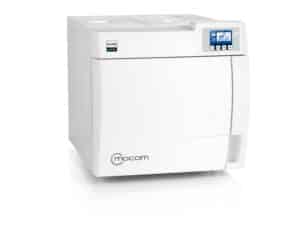
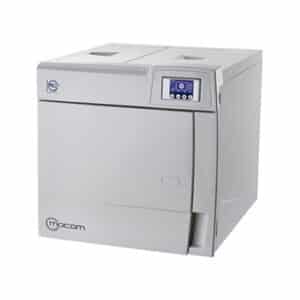
Finally, the surgical instruments will need to be sterilised, to remove any remaining, viable microorganisms. For this, an autoclave is crucial. An autoclave is also known as a steam steriliser, and these devices use high-pressure steam to achieve sterilisation by denaturing proteins and disrupting the cell membranes of microorganisms. Autoclaves are also equipped with sensors and controls to ensure that the proper temperature, pressure, and exposure time are maintained, guaranteeing the effectiveness of the sterilisation process.
There are usually several phases to autoclave cycles including air removal, steam exposure, and drying. Air removal is a critical step, as the presence of air pockets can hinder effective sterilisation. Once the cycle is complete, the instruments are considered sterile and can be safely used in surgical procedures.
Regulations and guidelines
In the United Kingdom, regulatory bodies such as the Medicines and Healthcare products Regulatory Agency (MHRA) and the Care Quality Commission (CQC) provide guidelines and standards for the cleaning, disinfection, and sterilisation of surgical instruments. As such, healthcare facilities are required to adhere to these guidelines to ensure the highest level of patient safety.
Here at Dental Decontamination we provide a range of top quality washer disinfectors and autoclaves from leading manufacturers, that are suitable for a range of professional environments. We also provide support and training too, including repair, maintenance and servicing. Why not get in touch to find out more?