

AUTOCLAVE REPAIR
Dental Decontamination engineers specialise in autoclave repair, covering the majority of autoclave makes and models for the tattoo, podiatry, veterinary and dental industries.

3-STEP AUTOCLAVE REPAIR PROCESS
step 1
Get in Touch
Email us or Call us on 01253 736 355 and let us know of the problem, if you can please note down any error/alarm codes.
step 2
Phone Assistance
Our expert support team will guide you through any potential issues over the phone and where possible rectify your issue, Sometimes it’s that simple, getting you up and running as quickly as possible.
step 3
Engineer Visit
If we are unable to rectify your problem over the phone, we will book one of our specialist engineers to come and visit your practice. (You must be a current customer)
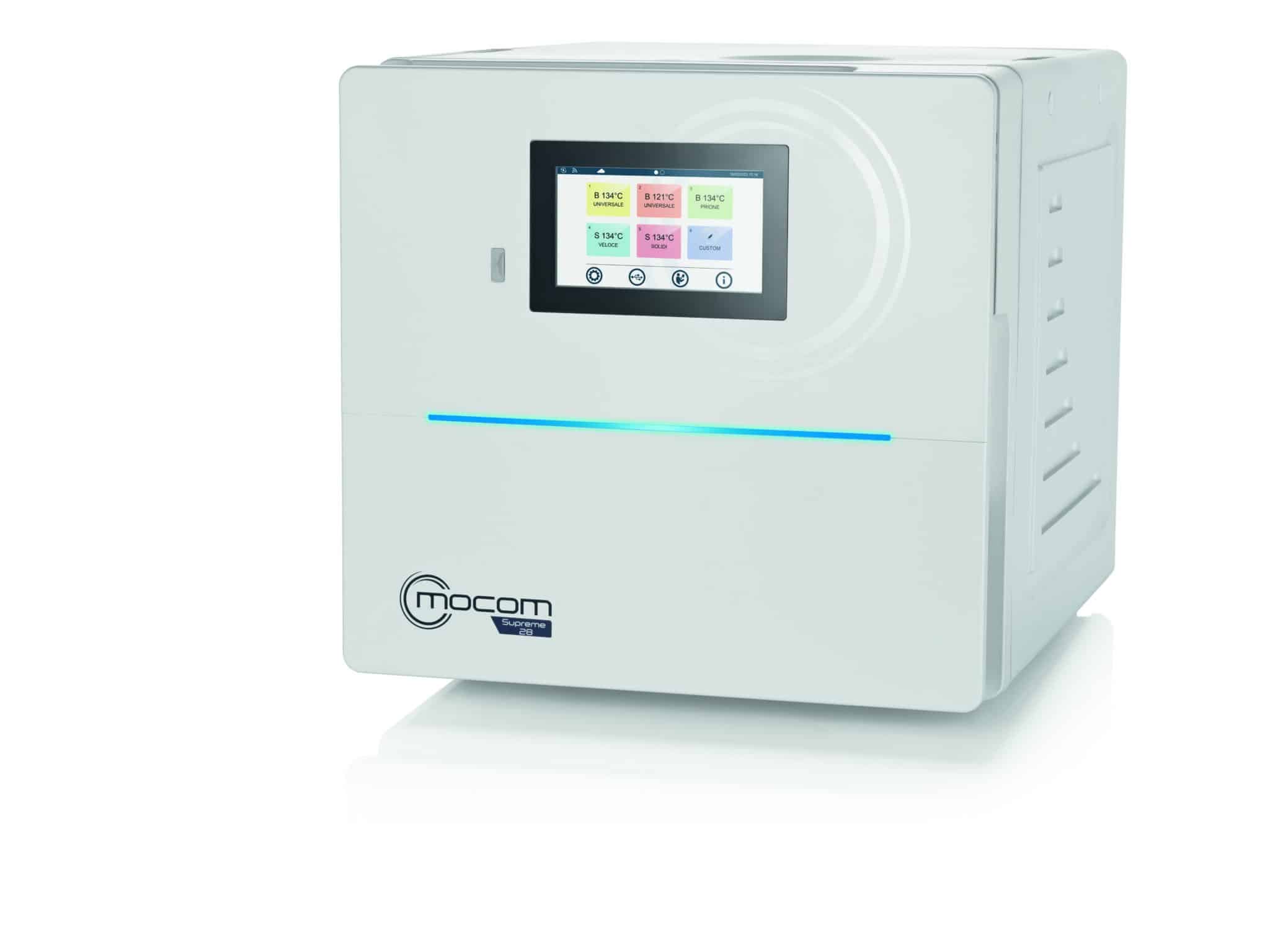


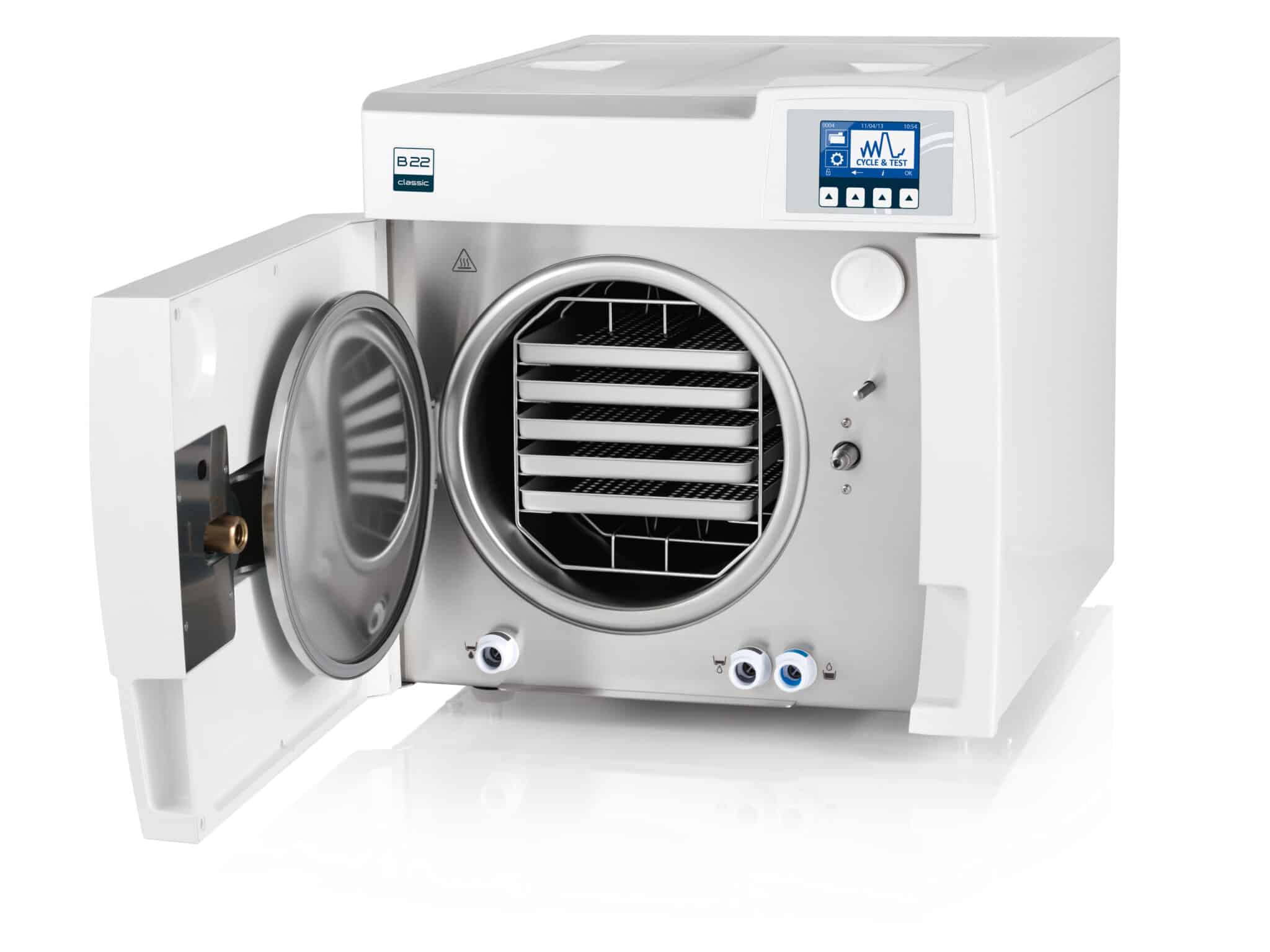
About Autoclave Repair
Autoclave repair is a critical service essential for the healthcare industry, including dental,podiatry and tattoo practices where equipment cleanliness is paramount. Autoclaves, being complex steam sterilisation devices, require regular maintenance to ensure they operate efficiently and continue to meet the required sterilisation standards. When an autoclave experiences a malfunction, it’s imperative that repairs are conducted promptly and effectively to reduce downtime and maintain sterilisation protocols.
Professional servicing by accredited experts, like those certified in MOCOM autoclave repair, can provide thorough inspections, routine maintenance, and the necessary repairs. This includes validation and calibration to assure the autoclave is performing correctly. Servicing ensures that the autoclaves are not only functional but also compliant with current regulations and standards. Regular troubleshooting and preventative maintenance can extend the service life of the autoclave, enhancing its reliability and safeguarding the sterilisation process against unexpected failures.
Key Takeaways
- Autoclave maintenance is vital for sterile processing and healthcare safety.
- Certified professionals should service and repair autoclaves for reliability.
- Regular checks and preventative care mitigate potential operational issues.
Understanding Autoclaves
In order to ensure effective sterilisation and reliable operation, comprehending the various types of autoclaves, their functionality, the common problems they may encounter, and the importance of regular maintenance is essential. Additionally, awareness of compliance and standards is crucial for safe and effective autoclave use.
Types of Autoclaves
Autoclaves come in various forms, with benchtop autoclaves being highly suitable for small-scale applications. They are designed to sterilise equipment by using high-pressure steam. Another type includes large-scale autoclaves used in industrial settings. The selection of an autoclave type usually depends on its intended use, whether for medical instruments, laboratory equipment, or industrial materials.
How Autoclaves Work
Autoclaves operate by utilising pressurised steam to eliminate bacteria, viruses, and other microorganisms. The process involves raising the temperature of the steam to a level where it can effectively sterilise the contents. The cycle includes phases of conditioning, sterilisation, and drying, ensuring thorough decontamination.
Common Autoclave Issues
Technical issues in autoclaves can arise from regular wear and tear or improper use. Common problems include worn parts that need to be replaced, such as seals or valves. Other issues may involve inconsistent temperature or pressure levels, which can result in inadequate sterilisation. Timely repair services can address these issues, preventing potential disruptions.
The Significance of Regular Maintenance
Regular autoclave maintenance is vital in avoiding unexpected breakdowns and extending the lifespan of the equipment. Maintenance activities typically include inspecting the mechanical and electrical components, cleaning the chambers, and ensuring all safety measures are functional. A robust maintenance routine reduces the likelihood of needing complex repairs.
Compliance and Standards
Adherence to the United Kingdom Accreditation Service (UKAS) and validation standards is crucial for autoclaves, especially in medical and scientific environments. Compliance ensures that autoclaves are maintained to a high standard and operate within the safe parameters required for effective sterilisation. Regular calibration and certification ensure that the equipment meets all necessary regulations and standards.
Initial Steps for Autoclave Repair
When an autoclave encounters technical issues, taking well-defined initial steps can help isolate the problem and prepare for a service intervention. These steps facilitate smoother repairs by providing engineers with preliminary information needed for a successful service call.
Identifying the Problem
To begin repairs, one must initially identify the specific issue with the autoclave. Common faults may include temperature inconsistencies, pressure problems, or door seal failures. Record any error codes displayed and observe any unusual noises or behaviours. This information is crucial for service engineers to diagnose the problem accurately.
Online Service Ticket Submission
Repair processes are often initiated by submitting an online service ticket. This involves providing details such as the autoclave model, serial number, and a description of the issue. It’s imperative to report all relevant information to ensure that the service team is well-informed prior to the repair session, thereby facilitating efficient servicing and the ordering of appropriate spare parts, if necessary.
Pre-Repair Checklist
Before service personnel undertake any repairs, a pre-repair checklist should be completed:
- Ensure that the autoclave is cool and depressurised.
- Disconnect it from the power supply.
- Empty the chamber of any contents.
- Check the availability of spare parts corresponding to the model.
These precautionary steps help ensure safety and readiness for the upcoming maintenance.
Safety Protocols
Adherence to strict safety protocols is imperative during the initial repair stages. Confirm that the autoclave is powered down and that staff members are aware of the service taking place to avoid accidental operation. The mechanical locking mechanism must not be forced open as this can cause further damage to the unit.
Professional Autoclave Servicing
Professional autoclave servicing is crucial to maintaining equipment performance and compliance with industry standards. This involves periodic maintenance, repair, and checks carried out by experienced engineers to ensure autoclaves operate efficiently and safely.
Maintenance Contracts and Plans
Long-term care for autoclaves is best managed through maintenance contracts and plans. Service agreements can be tailored to each facility’s needs, offering regular checks and servicing that help to minimise downtimes. Regular maintenance ensures that all components are working correctly and can greatly extend the lifespan of the autoclave
Parts and Components Replacement
Over time, parts within the autoclave can become worn and need replacing. A professional service will include the replacement of worn parts using high-quality spare parts designed for the specific model of autoclave. Technicians should use only authorised parts to maintain warranty and ensure functionality, which offers parts and labour warranty on its autoclaves.
Autoclave Validation and Calibration
Autoclave validation and calibration are crucial steps in ensuring that an autoclave operates correctly and complies with stringent regulatory standards. Validation proves that the equipment functions according to the pre-defined requirements, whilst calibration guarantees the accuracy of the sensors and controls used during sterilisation.
Validation typically includes:
- Installation Qualification (IQ): Verifies the correct installation and set-up.
- Operational Qualification (OQ): Ensures the equipment operates within specified limits.
- Performance Qualification (PQ): Confirms the autoclave consistently delivers the desired performance.
The calibration process involves:
- Recording ‘as-found’ data: Checking the current calibration settings.
- Adjustment of sensors: Fine-tuning to reflect accurate measurements.
- Verification: Using reference temperatures and pressures to confirm sensor accuracy.
These ensure the sterilisation process is both effective and reproducible. Reliable service and repair providers follow established protocols, such as HTM 01-01 and EN285, to execute these tasks. Regular autoclave maintenance mitigates the risk of unexpected downtime and extends the equipment’s lifespan.
Troubleshooting and Preventative Measures
When it comes to autoclave repair, identifying common technical issues and implementing a robust maintenance schedule are crucial for long-term functionality. Regular maintenance can prevent the need for costly repairs, and understanding how to troubleshoot can save time and preserve the sterility of your instruments.
DIY Troubleshooting Tips
If you’re experiencing technical issues with your autoclave, there are a few steps you can take before calling for service. Firstly, check that the door seal is intact, as a faulty seal can prevent proper pressurisation. Inspect the water reservoir to ensure it’s at the correct level and that there are no blockages in the filters or valves.
Establishing a Maintenance Schedule
Routine autoclave maintenance is essential. Establish a schedule that includes weekly, monthly, and annual tasks. Weekly checks should include cleaning the chamber and door gasket. Monthly tasks might consist of verifying the accuracy of temperature and pressure sensors. Furthermore, annual maintenance contracts may cover in-depth inspections of electrical components and a comprehensive performance validation.
Long-Term Care and Monitoring
For optimal performance over the years, long-term care and monitoring of your autoclave can’t be underestimated. This includes replacing worn parts before they fail and keeping a record of all services and repairs. Ensure that all users are trained properly in the operations of the equipment, as misuse can lead to breakdowns. Regular monitoring by a qualified technician under a maintenance contract can help identify issues before they escalate into serious problems, ensuring reliable autoclave maintenance and service.
By following these guidelines, one can maintain the reliability and efficiency of their autoclave, ensuring it remains an essential asset in the sterilisation process.
Frequently Asked Questions
Understanding the complexities of autoclave maintenance and repair is critical for ensuring the longevity and safe operation of this essential sterilisation equipment.
What are the common issues that require professional autoclave servicing?
Common issues that necessitate professional servicing include temperature inconsistencies, pressure irregularities, and door seal problems. These issues can compromise sterilisation and require immediate attention.
How can I find a reputable autoclave service technician in my area?
To locate a reputable autoclave service technician in your vicinity, research local companies specialising in laboratory equipment repair and check for customer reviews or industry certifications.
Are there any maintenance tips to prevent frequent autoclave breakdowns?
Regular cleaning, frequent seal inspections, and adherence to the manufacturer’s maintenance schedule are effective tips for preventing frequent breakdowns.
What is the typical cost range for servicing a dental autoclave in the UK?
The cost for servicing a dental autoclave in the UK can vary widely, but typically ranges from £200 to £500, depending on the service provider and the extent of the maintenance required.
How often should an autoclave be serviced to ensure it remains in optimal condition?
An autoclave should be serviced at least annually to ensure it remains in optimal condition, though the frequency can increase with heavy usage or when manufacturer guidelines recommend more frequent checks.
What should I expect during a standard autoclave maintenance check-up?
During a standard maintenance check-up, one can expect the technician to test and validate the autoclave’s performance, assess all mechanical and electrical components, and ensure compliance with legal and safety standards.
Please see below what Brands of Autoclave we currently can service:-
Mocom
Eschmann
Melag